

 to copy a SKU to ask our Shop with AI assistant about fit, materials sizes and advice


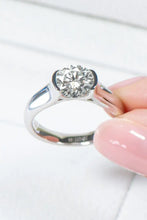
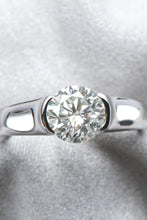
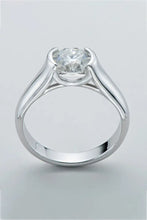


Measure your ring size (best practices)
- Use a jeweler’s ring sizer or visit a local jeweler — this is the most accurate option.
- If you don’t have a sizer, wrap a thin strip of paper or a piece of non-stretch string around the base of the finger. Mark where the ends meet, measure that length in millimeters — that is the inner circumference. Compare to a ring size chart or ask the seller to convert for you.
- If you have a ring that already fits the intended finger, measure the ring’s inner diameter with a caliper or a ruler across the widest inside point. Then compare that diameter to a ring-size chart (many sellers provide one).
Tips: Measure at the end of the day when fingers are warm (they’re smallest in the morning); measure the finger for the specific hand and account for knuckle size. Wider bands tend to fit more snugly — you may need to go up a half size for wider rings.
Measure the stone
- Use small digital calipers to measure the stone across the girdle (for round stones this gives the diameter in mm).
- For fancy shapes, measure length × width; for exact proportions ask the seller for the stone’s specifications or certificate.
- Reference: a round 2.00 ct moissanite is approximately 8.1–8.3 mm, but exact mm depends on cut proportions.